
Agriculture
Water Resources for Agriculture
Farming and growing across the North West, Midlands and Wales is increasingly exposed to water scarcity, seasonal drought, and abstraction pressure.
Water Resources West (WRW) works with farmers, catchment partnerships, regulators, water companies and other abstractors, to improve long‑term water security while supporting productive agriculture.
This page brings together practical guides, tools and lessons learned from WRW projects to help farmers and farming advisers plan ahead, work together and manage water more resiliently.
Starting a Water Abstractor Group (WAG)
Water Abstractor Groups (WAGs) allow abstractors to work together at a catchment or sub‑catchment scale to improve resilience, share risk and engage more effectively with regulators and water companies.
Thinking about setting up a water abstractor group?
The UK Irrigation Association has published a booklet, focussing on why you might want to set up a WAG. It explains the benefits of collaborating to manage water risks.
Starting a Water Abstractor Group – a practical guide
WRW has prepared this practical guide, supporting farmers with information on how to set up a group.
This draws on lessons from existing WAGs in the west.
Interested in collaborative approaches?
Learning from Recent Droughts
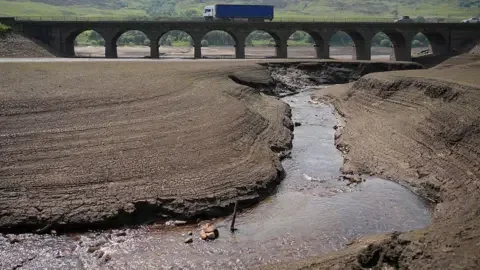
The 2025 agricultural drought highlighted both strengths and gaps in how the water sector and farming industry respond to dry conditions. WRW brought together farmers, regulators and industry partners to capture lessons learned. Read Learning from Dry Fields – Forward Planning for Agriculture following the 2025 Drought Event.
This report:
Is informed directly by agricultural experience during drought
Contains recommendations for WRW, regulators and industry partners
Focuses on communication, support and practical decision‑making.
The role that WRW takes in drought is explained in our Drought Statement of Intent.
Supporting Drought‑Resilient Livestock Farming
Livestock farms face increasing pressure from more frequent dry periods, changing rainfall patterns and uncertainty around water availability. Improving resilience starts with understanding how water is used on farm and where risks are most likely to emerge during drought.
The resources below are designed to complement each other. Together, they support practical planning, better decision‑making and constructive engagement around water use – at a farm level.
Livestock Farm Drought Resilience Plans
The Wyre Rivers Trust and Lune Rivers Trust, with WRW support, have devised a practical approach for identifying drought risks on livestock farms and planning proportionate, workable responses.
Developing farm drought resilience plans for livestock farms
Water Resources Audit Tool — Dairy Farms
WRW worked with AHDB to develop this spreadsheet-based tool to help dairy farms understand their water use, and costs and develop a water saving action plan.
Effective use of water on dairy farms - the dairy farm DIY full water audit tool
Abstraction Licences and Environmental Destination
In some catchments, abstraction licences may be reviewed or changed by the regulator to protect rivers, groundwater and dependent habitats. These changes can feel uncertain or concerning for farmers, particularly where water has been reliably available for many years. All sectors that abstract water may be subject to this, including agriculture but also water companies. Water companies have an additional obligation, under the Water Industry National Environment Programme to investigate whether changes to their abstraction licence may be needed in the long term – this is called Environmental Destination by the Environment Agency.
WRW has worked with partners to establish principles for how water companies can engage agricultural abstractors in those investigations, to support information sharing for mutual benefit and help identify mutually beneficial ways to cope with abstraction licence change.
Read Principles for non-PWS engagement in environmental destination investigations.
The report
Explains what Environmental Destination investigations really mean
Sets out clear principles for fair, transparent engagement, so farmers are informed early, treated equitably and have opportunities to challenge
Shows how farmers can influence outcomes, including identifying alternative solutions such as storage, sharing licences or collaborative catchment approaches.
Clarifies the role of WRW, water companies and the Environment Agency, helping farmers understand who makes decisions – and who does not.
Looking ahead
WRW continues to work with farming groups, advisers and catchment partnerships to improve long‑term water security for agriculture. The resources above are part of a growing body of work focused on practical solutions, collaboration and shared understanding. For more information or to discuss collaborative approaches to water resilience, please contact Water Resources West.